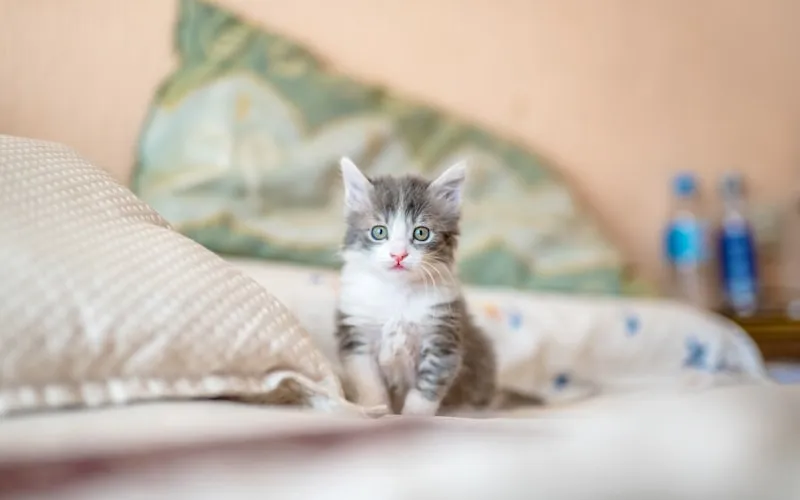
Your pet's ability to regulate their body temperature is more limited than you might realize. Unlike humans, who cool themselves efficiently through sweating, dogs rely primarily on panting and limited paw pad sweating. Cats are slightly more adaptable but still depend heavily on behavioral thermoregulation, seeking warm or cool spots as needed. As pet owners, we control the indoor environment, and that responsibility requires understanding how temperature affects our companions.
Understanding Pet Thermoregulation
Dogs maintain a normal body temperature between 38 and 39.2 degrees Celsius. Cats are similar, ranging from 38 to 39 degrees. Both species have a narrower comfort zone than humans, making them more sensitive to environmental temperature extremes.
Several factors affect an individual pet's thermal tolerance:
- Coat type and density: Double-coated breeds handle cold better; thin-coated breeds struggle
- Body size: Small dogs and cats lose heat faster due to higher surface-area-to-mass ratio
- Body fat: Lean pets have less insulation against cold; overweight pets overheat more easily
- Age: Puppies, kittens, and seniors have weaker thermoregulation
- Breed morphology: Brachycephalic breeds are heat-intolerant due to compromised airways
Recognizing your pet's specific profile across these factors helps you calibrate their environment appropriately. A young Siberian Husky and an elderly Chihuahua have dramatically different thermal needs, even in the same household.
Keeping Pets Warm in Cold Weather
When temperatures drop, your pet's bedding becomes their primary defense against cold. The bed should insulate from below as well as cushion from above. Cold radiates upward from floors, especially tile, stone, and concrete. Even in heated homes, floor-level temperatures can be several degrees cooler than the air temperature at human standing height.
Strategies for cold weather comfort:
Elevate the bed slightly off the floor using a low platform or frame. Even a few centimeters of air gap between the bed and the floor dramatically reduces conductive heat loss. If elevation is not practical, place an insulating mat or thick rug underneath the bed.
Choose bedding materials with natural insulating properties. Wool, fleece, and sherpa linings trap body heat effectively. Avoid thin cotton alone in winter, as it does not retain warmth well. Layered bedding that your pet can burrow into allows them to self-regulate, adding or removing layers by nosing blankets aside.
Self-warming beds use reflective materials to redirect your pet's body heat back toward them. These are effective, safe, and require no electricity. They are particularly useful for senior pets and small breeds who struggle to maintain warmth.
Practical tip: Place your hand flat on your pet's bed at floor level and leave it for thirty seconds. If the surface feels cold to your touch, it is cold for your pet too. This simple test tells you whether additional insulation is needed. Repeat the test in different seasons, as the same setup that works in autumn may be insufficient in deep winter.
Keeping Pets Cool in Warm Weather
Heat stress is more immediately dangerous than cold stress for most pets. Dogs and cats cannot cool themselves quickly, and overheating can progress to heatstroke within minutes.
Summer bedding should prioritize breathability over insulation. Replace fleece and wool with cotton, linen, or mesh-topped cooling beds. Elevated cot-style beds allow air to circulate beneath your pet, which is one of the most effective passive cooling strategies available.
Cooling mats filled with pressure-activated gel provide immediate temperature relief. Place one on top of or beside your pet's regular bed so they can choose to use it. Avoid forcing your pet onto a cooling mat; let them self-select when they feel warm.
Ensure fresh, cool water is always accessible in warm weather. Add ice cubes to the water bowl on very hot days. Some pets enjoy frozen treats or ice cubes directly, which provide both hydration and cooling.
Recognizing Temperature-Related Distress
Knowing the warning signs of temperature distress can save your pet's life.
Signs of overheating include excessive panting, drooling, red gums, lethargy, stumbling, vomiting, and collapse. If you observe these signs, move your pet to a cool area immediately, apply cool (not cold) water to their body, and contact your veterinarian. Cold water or ice can constrict blood vessels and actually slow cooling.
Signs of being too cold include shivering, curling tightly into a ball, reluctance to move, cold ears and paw pads, and seeking heat sources. Hypothermia in pets is less common in indoor environments but can occur in poorly heated homes or for pets who spend extended time outdoors in winter.
Year-Round Temperature Management
The most comfortable homes for pets maintain a consistent temperature between 18 and 24 degrees Celsius. If you lower the thermostat at night or while away, ensure your pet's rest area compensates. A self-warming bed plus a blanket can offset a five-degree drop in ambient temperature comfortably.
Think of thermal comfort as a year-round responsibility with seasonal adjustments. When you change your own wardrobe or bedding for the season, do the same for your pet. This simple habit prevents thermal stress before it starts and keeps your companion comfortable through every season of the year.