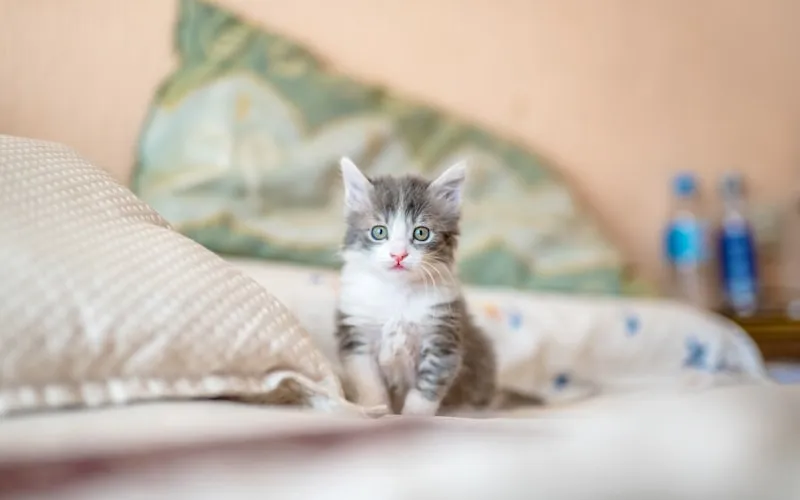
Every pet deserves a dedicated space where they can retreat, relax, and recharge. Yet many households treat pet rest areas as an afterthought, tucking a bed into whatever corner happens to be available. Creating a thoughtful rest area is one of the simplest and most impactful things you can do for your pet's quality of life.
Location: The Foundation of a Good Rest Area
The placement of your pet's rest area matters more than the bed itself. Dogs and cats have different needs, but both share common requirements for a good sleep environment.
For dogs, the ideal location is a quiet corner with a clear sightline to the main living area. Dogs are pack animals who feel most secure when they can sense their family nearby without being in the middle of activity. Avoid placing the bed in a hallway or near the front door, where foot traffic and outside noises create constant disturbance.
For cats, elevation is key. Cats instinctively seek high ground for safety. A rest area on a shelf, the top of a piece of furniture, or a dedicated cat tree satisfies this instinct. If floor-level is your only option, place the bed against a wall so your cat has a protected back.
Both species need protection from drafts, direct sunlight that could cause overheating, and proximity to noisy appliances like washing machines or televisions at high volume.
Temperature and Airflow
Pets are sensitive to temperature fluctuations, and their comfort range varies by breed, size, and coat type. As a general rule, the rest area should maintain a temperature between 18 and 24 degrees Celsius.
- Small dogs and short-haired breeds need warmer spots and may benefit from a self-warming pad
- Large dogs and thick-coated breeds prefer cooler areas with good airflow
- Cats generally seek warmth and may need a heated pad in winter months
- Brachycephalic breeds like Bulldogs and Persians need extra attention to ventilation
Avoid placing beds directly on tile or stone floors in winter, as the cold radiates upward and makes the surface uncomfortable regardless of the bed quality. A simple rug or mat underneath provides an insulating layer.
Designing the Space
A well-designed rest area includes more than just a bed. Consider these elements:
Fresh water should be accessible nearby but not immediately next to the bed. Spills on bedding create dampness that promotes bacterial growth and odors. A distance of one to two meters is ideal.
Ambient lighting matters. Pets sleep better in dimmer environments, just like humans. If the rest area receives strong natural light during the day, consider a light-filtering curtain or repositioning the bed seasonally.
Noise reduction is often overlooked. If your home is noisy, consider placing the rest area in a room that can be partially closed off. White noise machines designed for pets are available but usually unnecessary if the space is well-chosen.
Practical tip: Observe where your pet naturally gravitates when they want to rest. They are telling you their preferred conditions. Set up the rest area in or near that spot, then enhance it with proper bedding and environmental controls. Working with your pet's instincts is always easier than working against them.
Multi-Pet Households
In homes with multiple pets, each animal needs their own dedicated rest area. Sharing a bed works for some bonded pairs, but most pets need a space they can claim as their own. This is especially important for cats, who are territorial by nature.
Separate the rest areas enough that each pet can sleep without feeling encroached upon. In a small apartment, this might mean using different rooms or different elevations. The key is that each pet can access their space without having to pass through another pet's territory.
For households with both dogs and cats, ensure the cat's rest area is elevated or otherwise inaccessible to the dog. This prevents territorial conflicts and gives the cat the security they need for deep sleep.
Setting up a proper rest area requires thought and observation, but the investment pays dividends in your pet's health, behavior, and happiness. A pet who sleeps well is calmer, more trainable, and more affectionate. Start with location, optimize for temperature, and refine based on your pet's feedback. They will tell you when you have got it right.
Seasonal Adjustments
Your pet's rest area should evolve with the seasons. In summer, prioritize airflow and cooling surfaces. Swap heavy fleece bedding for breathable cotton or mesh-topped cooling beds. In winter, add insulation from cold floors, switch to warmer materials, and consider relocating the bed away from exterior walls that conduct cold. These seasonal adjustments take minutes but maintain optimal comfort year-round. A pet whose rest area adapts to changing conditions sleeps more consistently and deeply than one whose environment remains static while the world outside shifts dramatically. Make it a habit to reassess the rest area setup at each change of season, and your pet will benefit measurably from your attentiveness throughout the entire year.