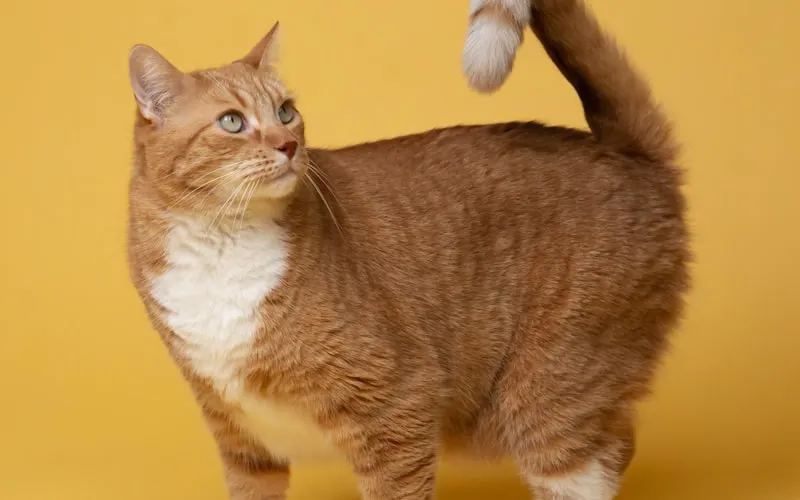
Winter transforms the environment your pet lives in, even indoors. Floor temperatures drop, humidity decreases, daylight hours shrink, and outdoor conditions become potentially hazardous. Preparing your pet for winter is not about buying a single warm sweater. It is about systematically adjusting their care routine across multiple dimensions to maintain comfort, health, and happiness until spring returns.
Upgrading the Sleep Environment
Your pet's bedding is the first and most impactful area to address for winter. The bed that served perfectly in September may be inadequate in January. Cold radiates upward through floors, and ambient temperature drops at floor level are more significant than most owners realize.
Start by assessing the bed's insulating capacity. Place your hand under your pet's bed and feel the floor temperature. If cold is perceptible through the bed, add insulation. Options include placing a thick rug or mat underneath the bed, upgrading to a bed with a waterproof and insulated bottom layer, or elevating the bed slightly off the floor with a low frame.
Upgrade bedding materials for warmth. Swap cotton or mesh covers for fleece, sherpa, or wool-blend alternatives. Add a blanket that your pet can burrow into or arrange around themselves. Self-warming beds that reflect body heat are excellent winter additions, providing constant gentle warmth without electricity costs or safety concerns.
- Add an insulating layer between the bed and the floor
- Swap lightweight covers for fleece or wool alternatives
- Provide a blanket for burrowing and self-regulation
- Consider a self-warming bed insert for cold-sensitive pets
- Move the bed away from exterior walls and windows where cold radiates
Relocate the bed if necessary. Spots that were comfortable in summer may be drafty in winter. Windows that provided pleasant sunlight now radiate cold. Exterior walls conduct outside temperatures. Move your pet's rest area to an interior wall location away from drafts and cold surfaces.
Nutrition for Cold Weather
Some pets need nutritional adjustments in winter, though the extent depends on their lifestyle. Dogs who spend significant time outdoors may need a modest calorie increase to support thermoregulation. Indoor-only pets generally do not need more food and may actually need less if their activity level decreases during winter months.
Hydration requires attention in winter. Heated indoor air is drier, and pets can become dehydrated without showing obvious signs. Ensure fresh water is always available and monitor intake. Cats in particular may drink less in winter, making wet food or a water fountain even more important during cold months.
Consider adding omega-3 fatty acid supplements to support skin health. Dry winter air strips moisture from skin and coat, leading to flaking, itching, and a dull coat. Fish oil supplementation helps maintain the skin barrier from within, complementing external grooming efforts.
Outdoor Safety in Winter
Winter outdoor excursions require additional precautions for pets, particularly dogs who need daily walks regardless of weather conditions.
Paw protection is essential. Road salt and chemical de-icers irritate paw pads and can be toxic if licked. Ice balls form between the toes of long-haired breeds, causing pain and limping. Protective boots, while initially rejected by many dogs, solve both problems. If boots are not accepted, apply paw wax before walks and rinse paws thoroughly afterward.
Practical tip: After every winter walk, wipe your dog's paws, legs, and belly with a warm, damp cloth before they have a chance to lick themselves. This removes road salt, de-icing chemicals, and antifreeze residue, all of which are toxic if ingested. Keep a dedicated towel and a shallow pan of warm water by the door to make this routine quick and easy.
Monitor your pet's tolerance to cold during walks. Small dogs, thin-coated breeds, puppies, and senior dogs have limited cold tolerance. Signs of discomfort include shivering, lifting paws off the ground, slowing down or stopping, and seeking sheltered spots. A well-fitted coat or sweater provides meaningful protection for vulnerable dogs, and there is nothing embarrassing about protecting your pet from the elements.
Indoor Comfort Through Winter
The indoor environment changes in winter in ways that affect pet comfort beyond just temperature. Managing these changes proactively prevents common winter wellness issues.
Humidity management matters. Central heating dries indoor air, which dries skin, irritates respiratory membranes, and makes the air feel colder than its temperature suggests. A humidifier in your pet's primary living area helps maintain comfortable moisture levels. Keep indoor humidity between 40 and 50 percent for optimal comfort.
Daylight reduction affects mood and energy in pets as well as humans. Seasonal lethargy and mild depression can occur in dogs who miss their summer routines. Maintain consistent walk schedules regardless of weather, use indoor play and training to compensate for reduced outdoor time, and consider a daylight lamp near your pet's rest area for the darkest months.
Grooming Adjustments
Resist the urge to bathe your pet less in winter to avoid getting them cold. Regular grooming is actually more important because winter coats are thicker and trap more debris, dead hair, and dander. Brush more frequently to prevent matting and support the coat's natural insulating properties. When bathing, use warm water, dry thoroughly, and keep your pet in a warm room until completely dry.
Winter preparation is an annual investment in your pet's comfort and health that pays dividends across the entire cold season. Start before the first frost, adjust as conditions change, and your pet will navigate winter with the same vitality and contentment they enjoy in warmer months.