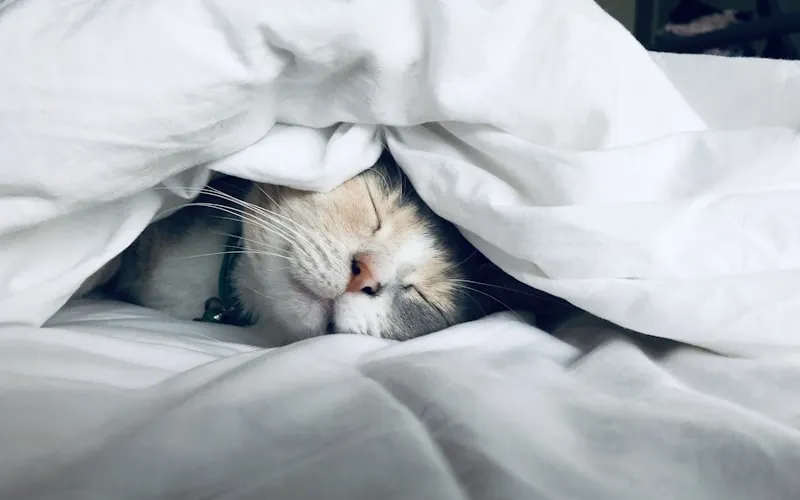
Your pet's bed is one of the most biologically active objects in your home. It collects fur, dander, skin oils, saliva, environmental allergens, and potentially parasites on a daily basis. Without regular maintenance, this accumulation creates an environment that can cause skin irritation, respiratory issues, and parasite infestations. Proper bedding hygiene is a fundamental aspect of responsible pet care.
Establishing a Washing Schedule
The right washing frequency depends on several factors, but here are guidelines that work for most households. These represent minimum frequencies; increase them during warmer months or if your pet has skin conditions.
- Bed covers and removable liners: every one to two weeks
- Complete bed wash including internal cushion: monthly
- Blankets and throws used by your pet: weekly
- Crate pads and travel bedding: after each use or weekly if used daily
Use hot water, at least 60 degrees Celsius, to kill dust mites, flea eggs, and bacteria. Cold water washes may remove visible dirt but leave microscopic organisms intact. If your pet's bedding cannot withstand hot washing, consider upgrading to materials that can.
Detergent selection matters. Use fragrance-free, dye-free formulations designed for sensitive skin. Pet-specific detergents are available but not strictly necessary; any hypoallergenic human laundry detergent works well. Avoid fabric softeners entirely, as they coat fibers with chemicals that can irritate pet skin and reduce the fabric's absorbency.
Dealing with Common Stains and Odors
Pet beds accumulate specific types of stains that require targeted treatment. Here are the most common scenarios and how to handle them.
Urine stains are the most frequent challenge, especially with puppies, senior pets, and sick animals. Blot the area immediately with paper towels, pressing firmly to absorb as much liquid as possible. Apply an enzymatic cleaner specifically designed for pet urine. These cleaners break down uric acid crystals, which ordinary detergents leave behind. Without enzymatic treatment, the odor will return when humidity rises, even after the stain appears gone.
Mud and dirt should be allowed to dry completely before cleaning. Dried mud brushes off easily, while wet mud smears deeper into fibers. Once dry, brush off the surface material, then wash normally.
Vomit and diarrhea require immediate removal of solid matter followed by enzymatic cleaner application. Soak the affected area in cold water first, as hot water can set protein-based stains permanently. After soaking, wash on the hottest setting the fabric allows.
Practical tip: Keep a dedicated pet laundry basket near your pet's rest area. When you notice a stain or when it is time for the regular wash, the soiled bedding goes straight into the basket. Having a system removes the friction that causes pet laundry to be postponed. A backup cover ready to go means your pet is never without clean bedding while their primary cover is in the wash.
Material-Specific Care
Different bedding materials require different maintenance approaches. Following material-specific guidelines extends the life of the bed and maintains its comfort properties.
Cotton covers are the most forgiving. They withstand hot washing, tumble drying, and even bleaching if necessary. Over time, cotton actually becomes softer and more comfortable with repeated washing. Air dry in sunlight when possible, as UV light provides natural sanitization.
Memory foam inserts should never go in the washing machine. The agitation damages the cellular structure of the foam. Instead, spot clean with a damp cloth and mild detergent. For deeper cleaning, sprinkle baking soda over the surface, let it sit for several hours, and vacuum thoroughly. The baking soda absorbs odors and moisture trapped in the foam.
Wool bedding requires gentle treatment. Hand wash in cool water with a wool-specific detergent, or use the wool cycle on your machine. Never wring wool; instead, press water out gently and lay flat to dry. Wool's natural lanolin provides built-in odor and moisture resistance, so it needs washing less frequently than other materials.
Parasite Prevention Through Hygiene
Fleas, ticks, and dust mites view your pet's bedding as prime real estate. Regular washing is your first line of defense against infestations, but additional measures strengthen your protection.
Vacuum around and under the bed weekly. Flea eggs and larvae fall off the bed into surrounding carpet or flooring, where they develop before jumping back onto your pet. Vacuuming breaks this cycle by removing eggs before they mature.
Consider using a mattress encasement on memory foam inserts. These zip-up covers create a barrier against dust mites, which thrive inside foam. The encasement can be washed regularly while the foam remains protected.
Seasonal Deep Cleaning
Four times a year, perform a thorough deep clean of your pet's entire rest area. Move the bed, vacuum the floor underneath and the walls around it. Wash all bedding components, including items you might normally skip like bolster inserts. Inspect the bed for wear, compressed filling, or structural damage that might reduce comfort.
Replace beds that have lost their support, developed permanent odors despite cleaning, or show significant structural wear. A bed is a consumable item with a finite lifespan. The investment in regular replacement is far less than the veterinary costs of skin infections or respiratory issues caused by contaminated bedding.