Why cats hide illness
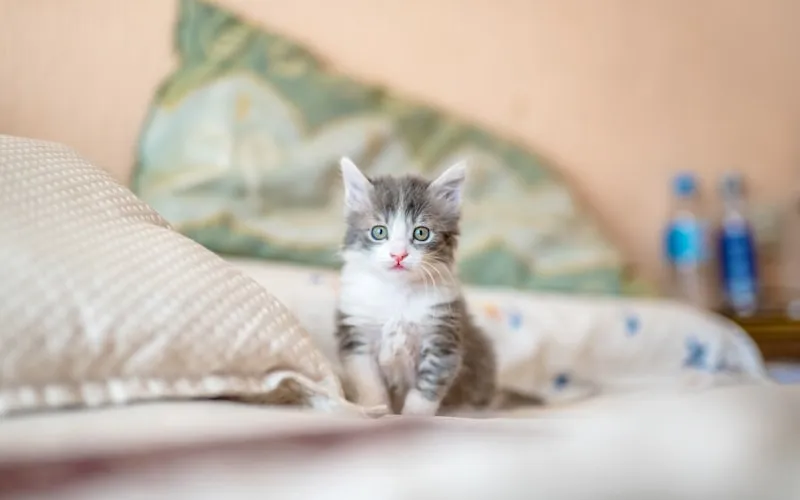
Cats are masters of concealment. In the wild, showing weakness attracts predators. This survival instinct means domestic cats instinctively mask pain, discomfort, and illness until they physically cannot maintain the facade. A cat that seems "perfectly fine" may be silently suffering from dental disease, early kidney failure, or a urinary tract infection.
This is precisely why preventive care is even more critical for cats than for dogs. You cannot rely on behavioural changes to alert you — by the time a cat stops eating, hides constantly, or becomes overtly lethargic, the underlying condition may be quite advanced. Regular veterinary examinations, blood work, and urine analysis are the only reliable ways to stay ahead of feline health problems.
Studies show that cats visit the vet far less frequently than dogs. In the UK, the average cat sees a vet 0.7 times per year compared to 2.1 times for dogs. This disparity has real consequences: feline conditions are consistently diagnosed later and at more advanced stages than comparable canine conditions.
Vaccination essentials
Core vaccines for all cats
- Feline parvovirus (FPV / panleukopenia): Highly contagious and often fatal, especially in kittens. Causes severe vomiting, diarrhoea, and immune suppression. Vaccination is highly effective.
- Feline calicivirus (FCV): Causes upper respiratory infections, oral ulcers, and in rare cases, severe systemic disease. Multiple strains exist; vaccines provide cross-protection.
- Feline herpesvirus type 1 (FHV-1): Causes severe upper respiratory disease and eye infections. Once infected, cats carry the virus for life with periodic flare-ups during stress. Vaccination reduces severity.
- Rabies: Required by law in most regions. Fatal to cats and transmissible to humans.
Non-core vaccines
- Feline leukaemia virus (FeLV): Recommended for outdoor cats and those in multi-cat households with unknown-status cats. FeLV causes immunosuppression and cancer. There is no cure.
- Feline immunodeficiency virus (FIV): Vaccines exist in some regions but are controversial due to interference with diagnostic testing.
- Chlamydophila felis: Considered in high-risk multi-cat environments where chlamydial conjunctivitis is confirmed.
Kittens receive their first vaccines at 8-9 weeks, with boosters at 12 weeks and sometimes 16 weeks. Adult cats receive boosters every 1-3 years depending on the vaccine and risk assessment.
Parasite control
Even indoor cats need parasite prevention. Fleas can enter on clothing, other pets, or through windows. Mosquitoes that carry heartworm larvae can get inside. Internal parasites can be ingested from contaminated surfaces or prey animals (mice, insects).
External parasites
Monthly flea prevention is recommended for all cats. Tick prevention is essential for cats with outdoor access. Use only products specifically labelled for cats — permethrin, commonly found in dog flea treatments, is fatally toxic to cats. Even casual contact with a recently treated dog can poison a cat.
Internal parasites
Kittens should be dewormed every two weeks from 3 weeks to 9 weeks of age, then monthly until 6 months. Adult cats should have a faecal examination at least annually. Indoor cats with access to prey (even insects) should be dewormed two to four times per year. Heartworm prevention is recommended in endemic areas.
Dental health
By age three, approximately 70% of cats have some degree of dental disease. Feline dental conditions include periodontal disease (the most common), tooth resorption (a painful condition unique to cats where the tooth structure dissolves), and stomatitis (severe inflammation of the oral mucosa).
Signs of dental problems include bad breath, drooling, difficulty eating, pawing at the mouth, dropping food, and a preference for wet food over dry. Some cats with severe dental pain continue eating normally, relying on instinct to mask their discomfort — so the absence of symptoms does not guarantee dental health.
Preventive dental care includes daily tooth brushing with cat-safe toothpaste, dental treats approved by the Veterinary Oral Health Council, and annual or biannual professional dental examinations and cleanings under anaesthesia. Starting dental handling with kittens makes lifelong oral care far easier.
Kidney disease: the silent threat
Chronic kidney disease (CKD) affects approximately 30-40% of cats over the age of 10, making it one of the most common causes of death in older cats. The kidneys progressively lose function over months or years, and by the time clinical signs appear (increased thirst, weight loss, poor appetite, vomiting), roughly 75% of kidney function has already been lost.
Early detection through annual blood work (measuring creatinine, BUN, and the newer biomarker SDMA) and urine analysis (measuring concentration and protein levels) can identify kidney disease months or even years before symptoms develop. Early intervention with dietary management, hydration support, and sometimes medication can significantly slow disease progression and extend quality of life.
Urinary health
Feline lower urinary tract disease (FLUTD) is an umbrella term covering several conditions: idiopathic cystitis (stress-related bladder inflammation), urinary crystals and stones, urethral plugs, and urinary tract infections. Male cats are at higher risk of urinary blockage, which is a life-threatening emergency requiring immediate veterinary intervention.
Prevention strategies include maintaining proper hydration (wet food, water fountains, multiple water stations), managing stress (adequate resources, enrichment, predictable routines), maintaining a healthy weight, and keeping litter trays scrupulously clean (one per cat plus one extra, scooped daily).
Weight management and diabetes
Obesity is the number one preventable health problem in indoor cats. An overweight cat is four times more likely to develop diabetes than a lean cat. Feline diabetes closely resembles type 2 diabetes in humans and is directly linked to excess body fat, sedentary lifestyle, and high-carbohydrate diets.
The good news: feline diabetes can be reversed in many cases with aggressive early treatment, weight loss, and a switch to a high-protein, low-carbohydrate diet. Prevention, however, is always preferable to treatment. Keep your cat at a healthy body condition score through measured portions, active play, and minimal treats.
Environmental enrichment as prevention
Stress is a major contributor to feline illness, particularly urinary disease, skin conditions, and immune suppression. Environmental enrichment is therefore a legitimate form of preventive medicine:
- Vertical space: Cat trees, wall shelves, and window perches allow cats to survey their territory from a safe height, reducing anxiety.
- Hiding spots: Cardboard boxes, enclosed beds, and tunnels give cats a retreat when they feel overwhelmed.
- Interactive play: Two daily play sessions with wand toys simulate hunting and release pent-up energy.
- Resource adequacy: One litter tray per cat plus one, separate food and water stations, and multiple resting spots prevent competition in multi-cat homes.
- Predictable routine: Feeding, play, and quiet time at consistent hours reduces chronic stress.
Senior cat care
Cats over 10 years should see the vet twice yearly. Senior screenings should include complete blood count, comprehensive biochemistry panel (including thyroid levels — hyperthyroidism is extremely common in older cats), blood pressure measurement (hypertension often accompanies kidney disease), urinalysis, and a thorough physical examination with attention to weight changes, dental health, and joint mobility.
Common senior conditions to watch for include hyperthyroidism (increased appetite with weight loss, hyperactivity, vomiting), chronic kidney disease (increased thirst, weight loss), diabetes (increased thirst and urination, weight change), arthritis (reluctance to jump, reduced grooming), and cognitive dysfunction (disorientation, altered sleep patterns, vocalisation at night).
Frequently Asked Questions
Do indoor cats really need vaccinations?
Yes. Core vaccines protect against viruses that can enter your home on shoes, clothing, or through contact with other animals. Panleukopenia virus is extremely resilient and can survive on surfaces for months. Rabies vaccination is legally required in most areas regardless of lifestyle.
How often should an indoor cat see the vet?
At minimum, once per year for a complete examination and blood work. Cats over 10 years old should go twice yearly. More frequent visits if your cat has a chronic condition like kidney disease, diabetes, or hyperthyroidism.
My cat fights tooth brushing. Any alternatives?
While brushing is the gold standard, alternatives include dental treats (VOHC-approved), water additives, and dental diets designed with a special kibble texture that mechanically cleans teeth. Professional dental cleanings under anaesthesia remain necessary regardless of home care. Some owners find success with finger brushes or gauze wrapped around a finger rather than a traditional toothbrush.
How do I know if my cat is in pain?
Subtle signs include reduced grooming (matted fur), changes in facial expression (narrowed eyes, flattened ears), withdrawal or hiding, reduced appetite, reluctance to be handled, litter box avoidance, and changes in posture or movement. The Feline Grimace Scale is a validated tool that helps owners assess pain by evaluating ear position, orbital tightening, muzzle tension, whisker position, and head position.