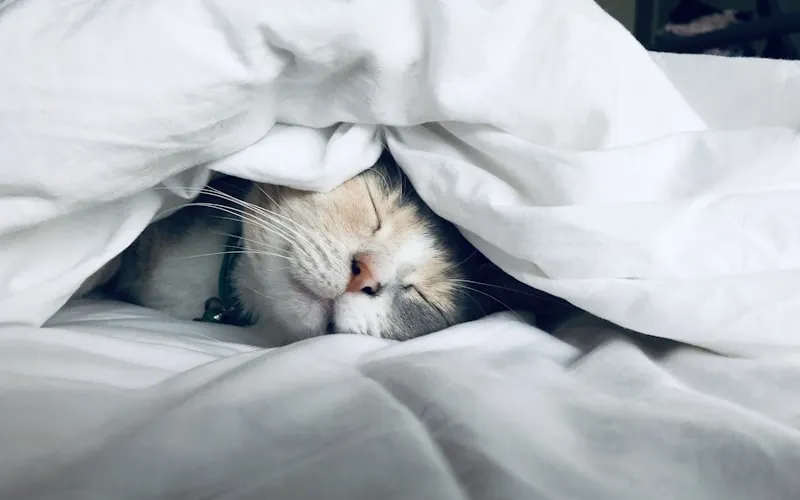
Scroll through any pet accessories feed and you will see them everywhere: elegant fabric teepees housing content, sleepy cats. The cat teepee has transitioned from novelty item to mainstream essential in just a few years. But beneath the visual appeal lies a product that genuinely addresses feline behavioral needs. Understanding why cats love teepees helps you choose one that serves your cat as well as it decorates your home.
Why Cats Are Drawn to Teepees
The teepee shape is not arbitrary. It taps into several deep feline instincts that more conventional beds often miss.
Enclosure is the primary draw. Cats are ambush predators who feel most secure in spaces with limited entry points and walls that shield them from surprise approach. A teepee provides a defined interior with a single entrance, giving the occupant a clear view of who approaches while feeling protected from behind and above.
The peaked ceiling creates vertical space within the structure. Unlike flat-topped cave beds, a teepee allows a cat to sit upright inside, which matters because cats often transition between lying and sitting during rest periods. Being forced to lie flat in a low-ceilinged enclosure creates frustration for cats who want the option to sit and observe.
Temperature dynamics work in the teepee's favor as well. The conical shape traps warm air rising from the cat's body, creating a naturally warm interior without external heat sources. The open entrance allows air circulation that prevents the stuffy, overheated conditions that occur in fully enclosed beds.
- Single entrance satisfies the defensive instinct for controlled access
- Peaked ceiling allows sitting, lying, and position transitions
- Natural warmth retention without overheating
- Defined territory that the cat can claim as exclusively theirs
- Visual appeal that makes owners more likely to place it in prime locations
Choosing the Right Teepee
Not all teepees are created equal, and the market ranges from well-designed functional products to flimsy decorative items that collapse under minimal use. Here is what to look for.
Frame stability is essential. The poles should be rigid enough to maintain the structure when a cat leans against the interior walls or rubs against the frame. Wooden poles with secure top connections are preferable to thin dowels. Test by pressing on the side; the structure should flex slightly but not collapse.
Fabric quality determines longevity and comfort. Heavy cotton canvas is the gold standard: durable, breathable, washable, and attractive. Linen blends work well for warmer climates. Avoid thin polyester that tears easily, traps heat, and generates static. The fabric should be removable for washing.
Size matters critically. The interior floor should be at least 45 centimeters across for an average cat, larger for bigger breeds. The entrance height should allow your cat to walk in without ducking excessively. Too small and your cat will not use it. Too large and it loses the cozy, enclosed feeling that makes teepees appealing.
Practical tip: Before purchasing a teepee, test your cat's interest in enclosed spaces with a simple cardboard box experiment. Place a box with one open side in your home for a week. If your cat uses it regularly, they are likely to love a teepee. If they ignore the box completely, they may prefer open sleeping surfaces, and a teepee might go unused. This free test saves you from an expensive mistake.
Placement and Integration
Where you place the teepee significantly influences whether your cat will use it. Follow feline preference principles rather than human aesthetic preferences.
Elevate when possible. A teepee on a low table, a wide shelf, or a stable platform will be used more than one on the floor. If floor placement is your only option, choose a corner or along a wall rather than the middle of a room. Cats want their back protected, and the teepee walls provide this, but the exterior position reinforces the sense of security.
Choose a quiet location with a view. Near a window is ideal for cats who enjoy watching outdoor activity. Avoid high-traffic hallways, areas near loud appliances, and spaces where children or other pets might disturb the occupant. The teepee should be a refuge, not a thoroughfare.
Consider light conditions. Some cats prefer sleeping in dim or dark environments, while others enjoy filtered natural light. The fabric of the teepee filters light naturally, creating a softly lit interior. Placing the teepee where morning or afternoon sunlight warms the structure adds thermal appeal without creating harsh direct light inside.
Maintenance and Longevity
A quality teepee should last two to three years with proper care. The fabric cover needs washing every two to three weeks, as cats deposit oils, fur, and dander during use. Most canvas covers are machine washable on a gentle cycle with mild, unscented detergent.
The interior cushion requires separate attention. Wash it weekly or rotate between two cushions. A removable, zippered cushion cover simplifies maintenance enormously. If the teepee came with a thin, non-removable cushion, replace it with a properly sized cushion that has a washable cover.
Inspect the frame periodically. Wooden poles can develop rough spots from claw damage. Sand any splinters smooth and apply a pet-safe wood treatment annually. Check the connections at the top where poles meet; this is the most common failure point and usually just needs tightening.
The cat teepee is that rare product where aesthetic appeal and functional design genuinely converge. A well-chosen teepee placed thoughtfully in your home serves your cat's deepest comfort instincts while adding genuine visual charm to your space. It is trend and substance in one elegant package.